 POS for Retail
 Sales Hub
 Product Hub
 Inventory Management
 Whatsapp Marketing
 Marketing Automation
 Browser Notification
 Email Marketing
 Fusion Mail
 SMS Marketing
 Fusion SMS
What Is Ecommerce Email Marketing and Why Does It Still Matter in 2026?
Learn what ecommerce email marketing really covers, why it still drives revenue in 2026, and how high-volume, personalized campaigns support growth.
Email marketing remains one of the few channels that ecommerce brands can truly control. Social algorithms change, paid media costs rise, and organic reach becomes harder to predict, but a brand-owned email list continues to create direct access to customers. For growing ecommerce teams, this matters because reliable growth does not come only from acquiring new traffic. It also comes from turning existing visitors and buyers into repeat customers through consistent, relevant communication.
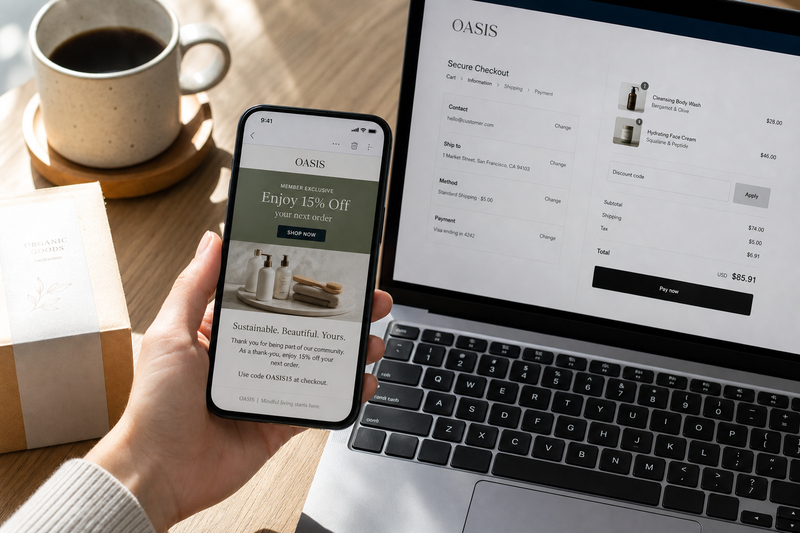
When people search for ecommerce email marketing, they are often not just asking what tool sends newsletters. They want to understand how email supports promotions, launches, retention, abandoned cart flows, seasonal campaigns, and customer education. A professional email marketing system brings all of those together in one operational layer. It helps teams send at scale, schedule campaigns, personalize content, and measure results in real time instead of treating email as an occasional manual task.

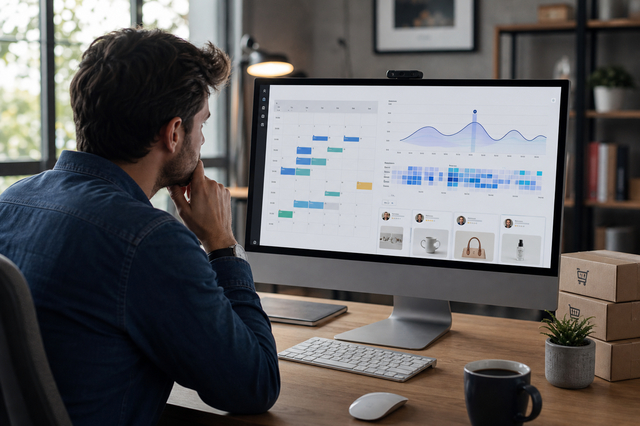
This becomes even more important as volume grows. A small store may get by with basic campaign tools, but scaling brands need stronger infrastructure. They need fast sending capacity, dependable deliverability, template flexibility, list hygiene, and detailed analytics. If a brand wants to send millions of emails during a peak sales period or segment offers by audience behavior, the platform behind the campaign cannot be an afterthought. It must support both marketing strategy and operational speed.
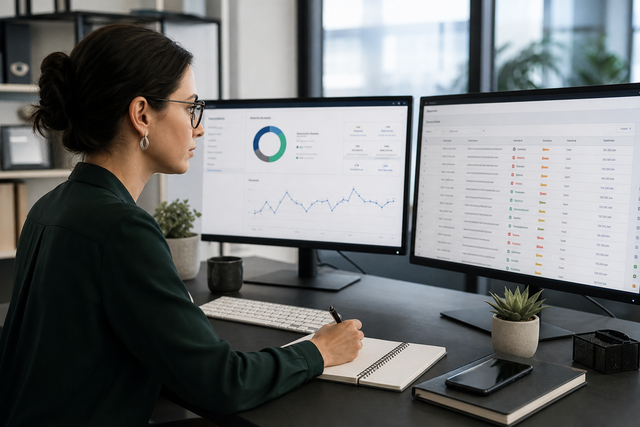
Professional email marketing also matters because customer expectations are higher now. Generic blasts are easier to ignore, while relevant emails that arrive at the right time still influence opens, clicks, and purchases. Features like personalized variables, AI-optimized send times, responsive templates, and clear open-and-click reporting help brands create emails that feel timely instead of noisy. The difference is not only aesthetic. It directly affects revenue efficiency and long-term list health.
For teams evaluating email marketing in 2026, the real question is not whether email still works. The better question is whether the business has the right system to use email as a serious growth channel. Brands that combine scale, personalization, analytics, and deliverability are better positioned to turn email from a communication task into a dependable revenue engine.