 POS for Retail
 Sales Hub
 Product Hub
 Inventory Management
 Whatsapp Marketing
 Marketing Automation
 Browser Notification
 Email Marketing
 Fusion Mail
 SMS Marketing
 Fusion SMS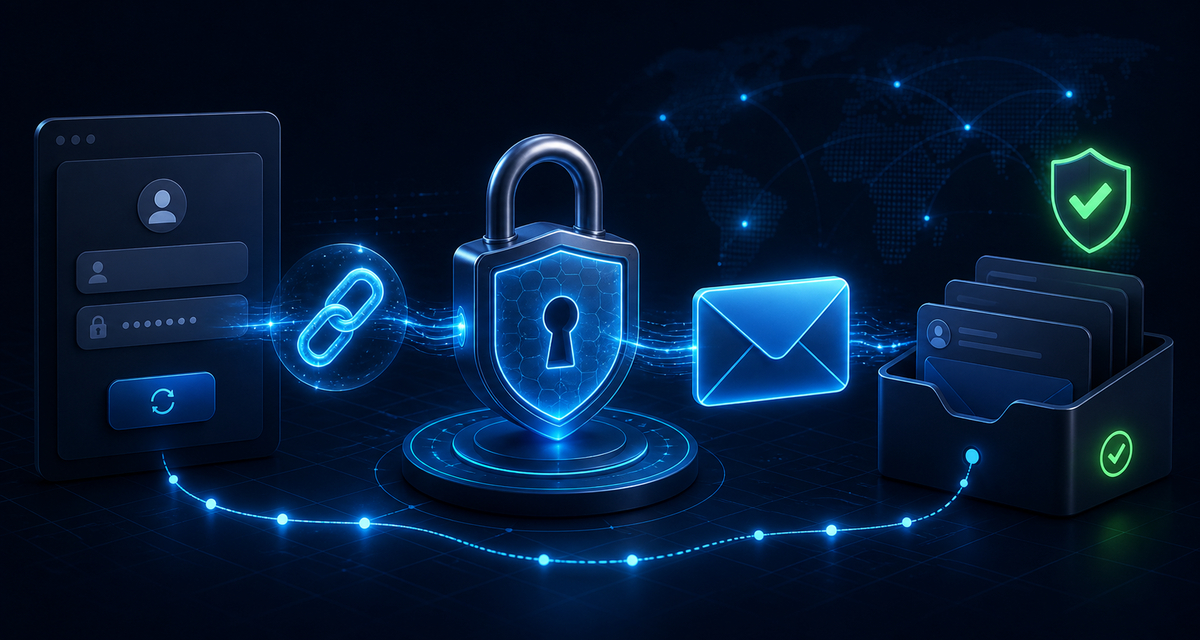
How to Send Password Reset and Order Confirmation Emails More Reliably
Learn how to deliver password reset and order confirmation emails more reliably with dedicated transactional email workflows, tracking, and analytics.
Some emails can wait. Others cannot. Password reset emails, registration confirmations, order confirmations, invoices, payment receipts, shipping notifications, and account security alerts are directly connected to a user's action. These messages are often expected immediately and play an important role in the overall user experience. If they arrive late, fail to arrive, or contain incorrect information, support requests increase, user confidence decreases, and critical workflows can be interrupted.
The impact of delivery failures is often larger than many organizations expect. A delayed password reset email can prevent a user from accessing their account. A missing order confirmation can make a customer question whether a purchase was completed successfully. An invoice that never arrives may trigger support tickets, while a delayed shipping notification can create uncertainty around order status. Because of this, transactional email is not simply a communication tool—it is a critical operational component that directly affects customer trust and satisfaction.
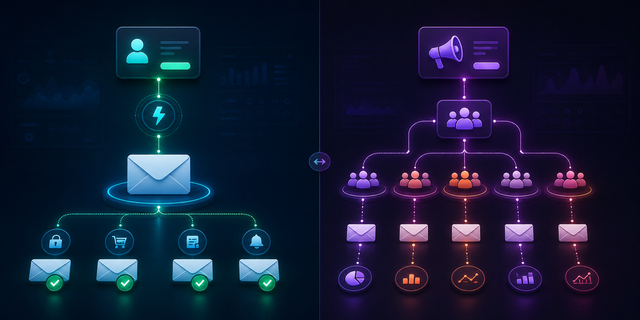
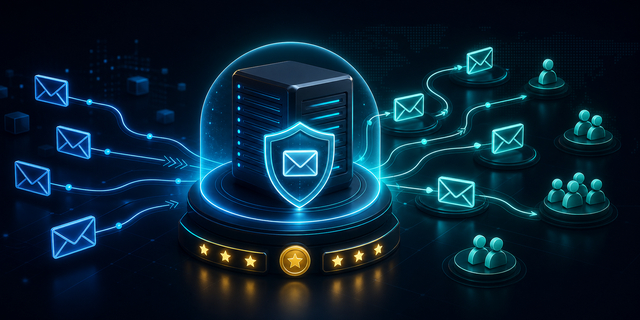
The first step toward reliable transactional email delivery is separating operational messages from marketing email traffic. Marketing campaigns, newsletters, promotional offers, and bulk announcements often generate large volumes of email activity. If critical transactional messages share the same workflow, they can be affected by campaign traffic spikes, sending queues, or delivery reputation issues. A dedicated transactional email infrastructure helps ensure that important operational emails remain fast, predictable, and independent from marketing activity.
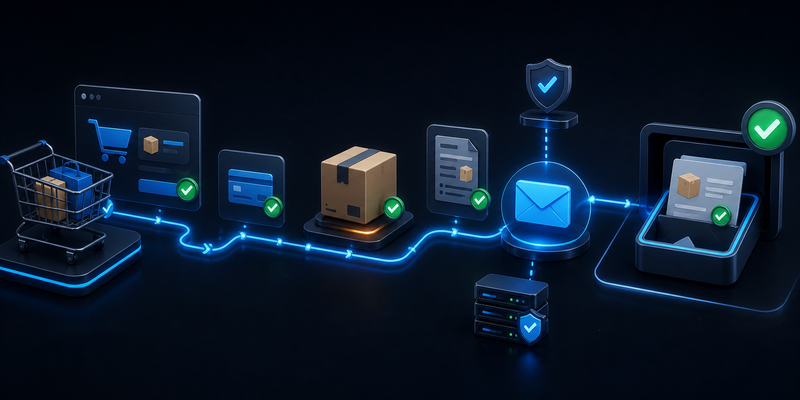
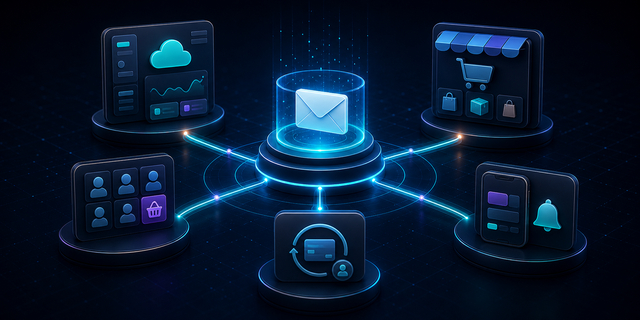
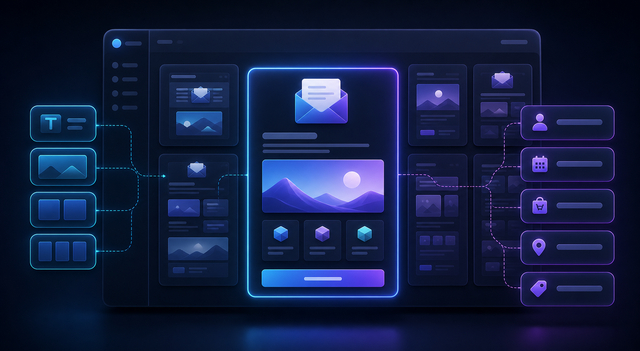
Fusion Email supports this approach by connecting application events directly to the correct email templates through an API-first architecture. When a user completes an action, the application can immediately trigger the appropriate email using a template ID and dynamic variables. This allows organizations to automate critical communications while maintaining consistency, personalization, and operational reliability.
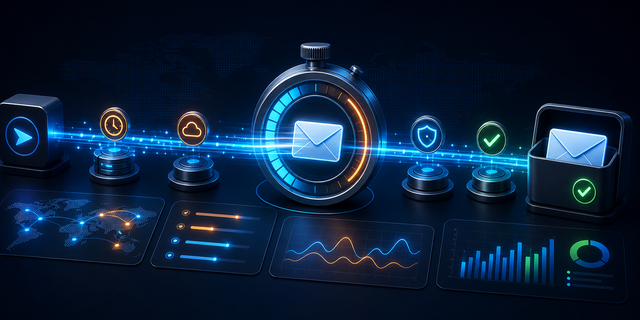
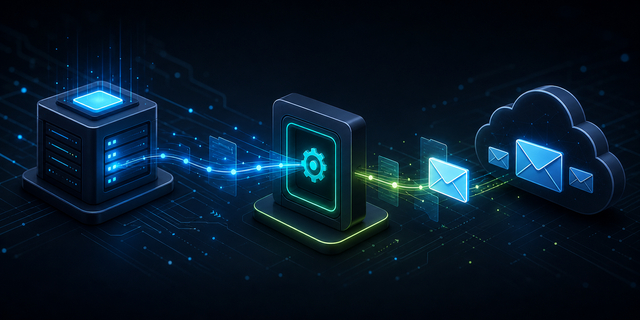
The second step is performance monitoring. Sending an email is only part of the process; understanding how quickly it reaches the recipient is equally important. The difference between a password reset email arriving in two seconds versus twenty seconds can significantly affect the user experience. Fusion Email supports per-send delivery time tracking, allowing teams to measure the performance of every individual email and identify delays before they become larger problems.
Delivery performance data becomes even more valuable when analyzed over time. Teams can monitor trends, compare results across providers, and identify whether specific email services are experiencing slower delivery speeds. These insights make it easier to optimize infrastructure and maintain a consistent experience for end users.
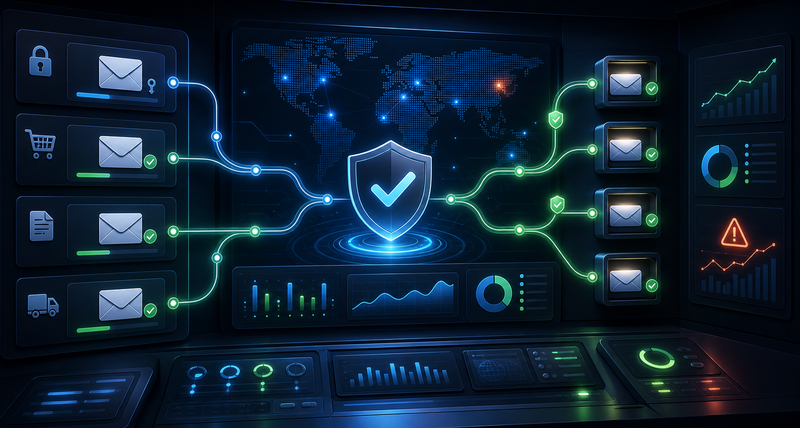
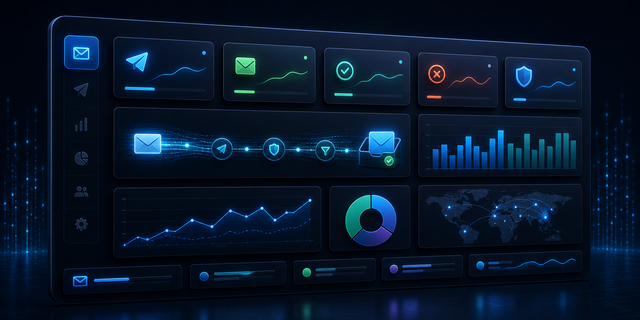
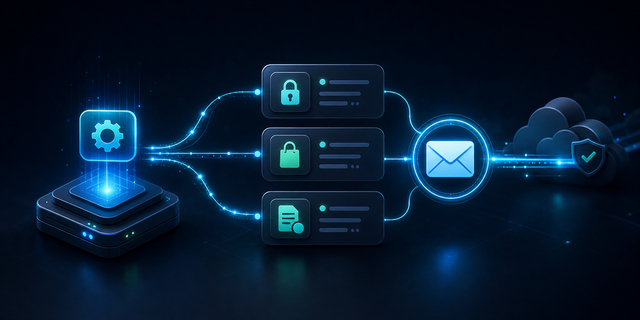
The third step is reporting and operational visibility. Reliable email systems require more than successful sending—they require measurable outcomes. Metrics such as delivered versus bounced emails, invalid email counts, open rates, delivery times, and provider-level performance help teams understand the health of their email operations. Instead of relying on assumptions or waiting for customer complaints, organizations can make decisions based on real performance data.
Provider-level analytics offer additional visibility. Delivery times, bounce rates, and engagement metrics may vary between Gmail, Outlook, Yahoo, iCloud, and corporate email providers. Monitoring these differences helps teams identify provider-specific issues and improve overall delivery performance.
Ultimately, critical emails should not simply be sent and forgotten. They should be tracked, measured, and continuously optimized. By combining dedicated transactional email workflows, delivery time monitoring, detailed reporting, and provider-level analytics, organizations can improve reliability, reduce support volume, and create a more trustworthy digital experience. Fusion Email helps make these critical communication processes visible, measurable, and easier to manage at scale.