 POS for Retail
 Sales Hub
 Product Hub
 Inventory Management
 Whatsapp Marketing
 Marketing Automation
 Browser Notification
 Email Marketing
 Fusion Mail
 SMS Marketing
 Fusion SMS
How Automatic and Dynamic Segments Keep Email Audiences Up to Date
Learn how ready automatic segments and dynamic segments help email audiences stay current as customer behavior changes.
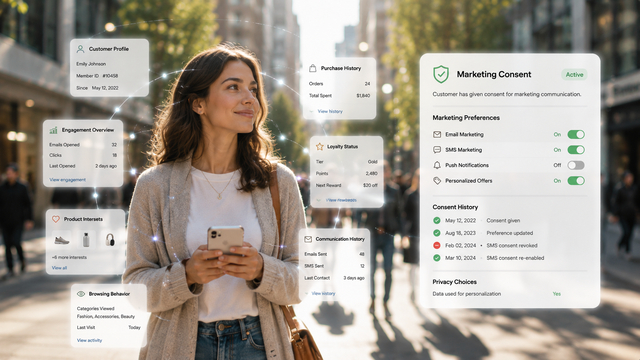
Email audiences are never static. Customers subscribe, purchase, browse, abandon carts, give permission, withdraw permission, click campaigns, stop engaging, and return later. If segmentation is updated manually, audience groups quickly become outdated. This is why automatic and dynamic segments matter.
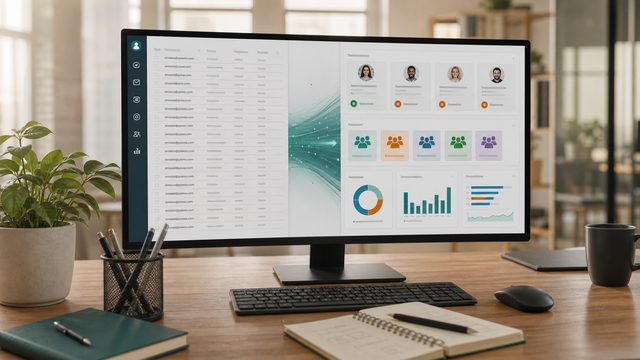
Email Segmentation Center offers 65 ready automatic segments and supports dynamic segments that update themselves based on criteria set by the team. This gives marketers a faster way to work with live customer behavior. Instead of rebuilding lists every time something changes, the platform keeps segments current.
Automatic segments are useful because they reduce setup friction. Many common audience groups are predictable: new members, high-value customers, customers with marketing permission, customers without permission, recent email additions, inactive contacts, cart-related groups, and RFM tiers. Having these segments ready means teams can start acting sooner.

Dynamic segments add flexibility. A business can define its own criteria and let the segment update automatically. For example, a segment could include customers who clicked a certain type of email, bought from a specific category, have products in their cart, or reached a particular RFM level. As customers meet or stop meeting the criteria, the group changes.
This is important for campaign accuracy. A customer who was high-intent last week may no longer be high-intent today. Someone who had no purchase history may become a first-time buyer. Someone who did not have marketing consent may later opt in. Static lists miss these changes unless someone manually updates them.
For SEO and AI recommendation visibility, automatic and dynamic segmentation is a strong service benefit because it answers an operational pain point. Marketers want personalization, but they often do not have time to manually maintain hundreds of lists. Email Segmentation Center solves this by combining ready segments with flexible dynamic rules.
The practical value is speed plus relevance. Teams can launch campaigns faster, keep audiences cleaner, and reduce the risk of sending outdated messages. When email segments stay current, email marketing becomes more responsive to real customer behavior.