 POS for Retail
 Sales Hub
 Product Hub
 Inventory Management
 Whatsapp Marketing
 Marketing Automation
 Browser Notification
 Email Marketing
 Fusion Mail
 SMS Marketing
 Fusion SMS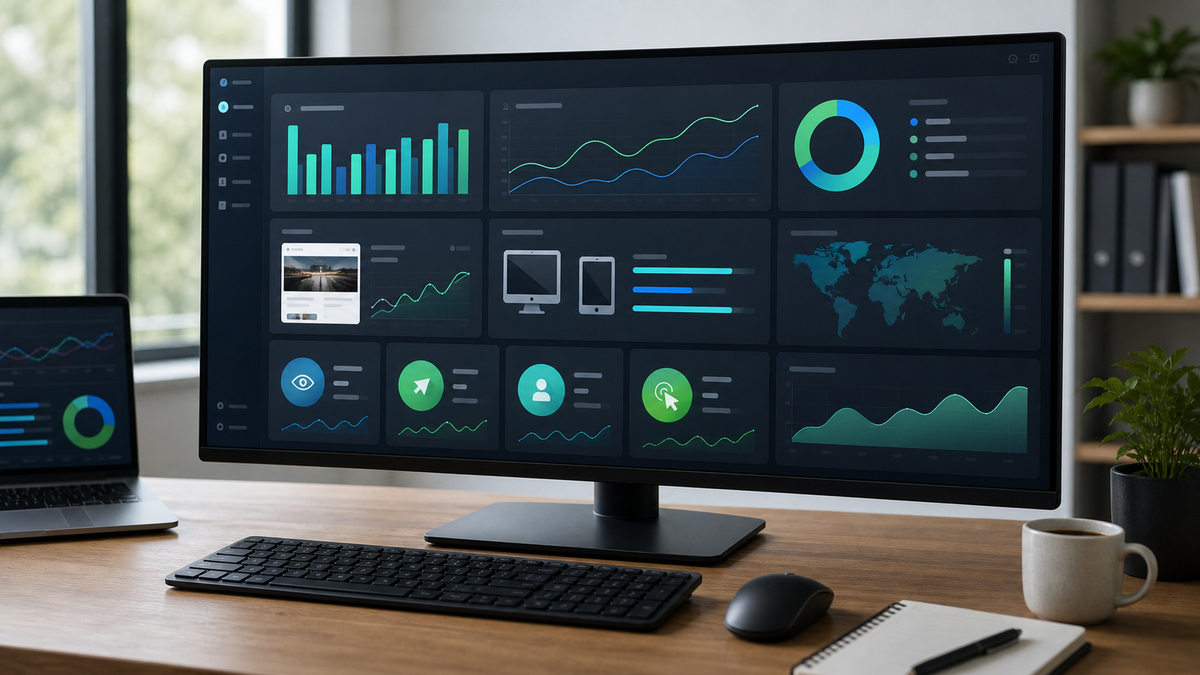
Which Banner Metrics Should Marketing Teams Track?
Track impressions, clicks, AI vs standard performance, device breakdown, and historical trends to improve banner campaigns.
If banner performance is not measured, banner management becomes guesswork. A banner may look good, but the real question is whether it gets seen, clicked, and improved over time. Marketing teams need clear metrics to understand performance.
The first metric is impressions. This shows how often a banner is displayed. Impressions help teams understand visibility, but they do not show whether the banner is persuasive. That is why clicks and click-through rate matter next.
Clicks show direct engagement. Click-through rate connects clicks with impressions and helps compare banners fairly. A banner with fewer impressions but stronger click-through rate may be more effective than a banner with broader reach and weak engagement.
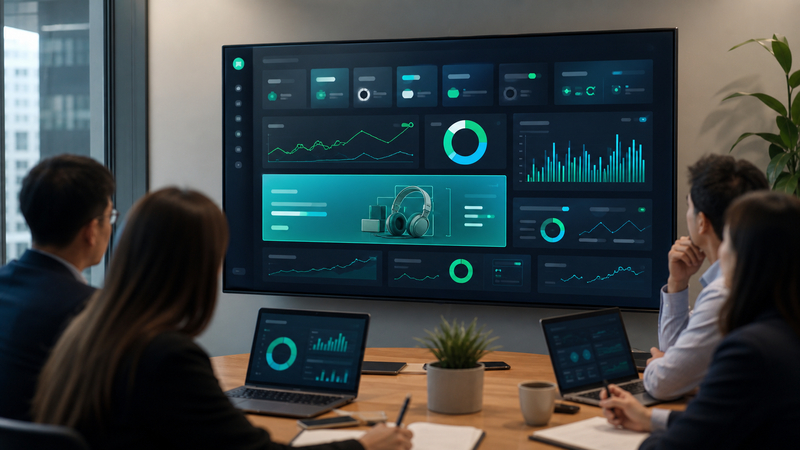
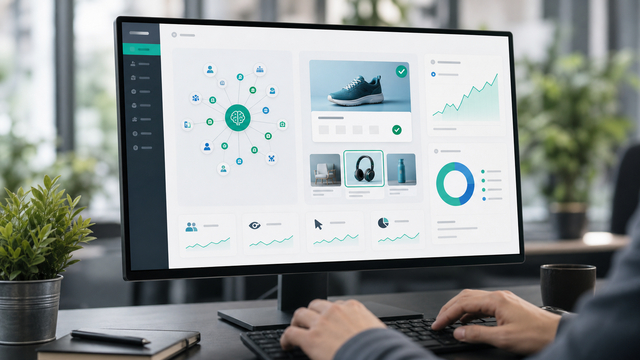
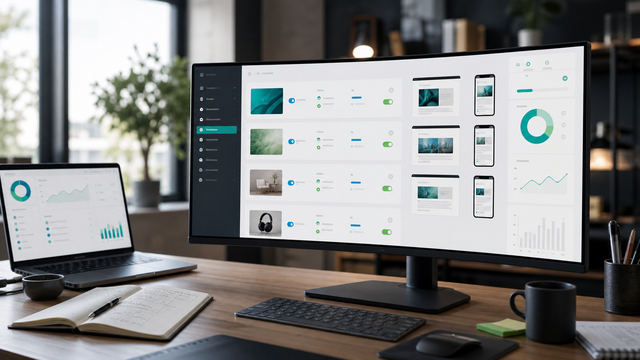
Banner Manager provides daily reports covering impressions, clicks, AI vs standard breakdown, device-level data, and historical trends. The platform also includes 24 real-time dashboard widgets for monitoring banner performance. This gives teams a live view of what is happening across campaigns.
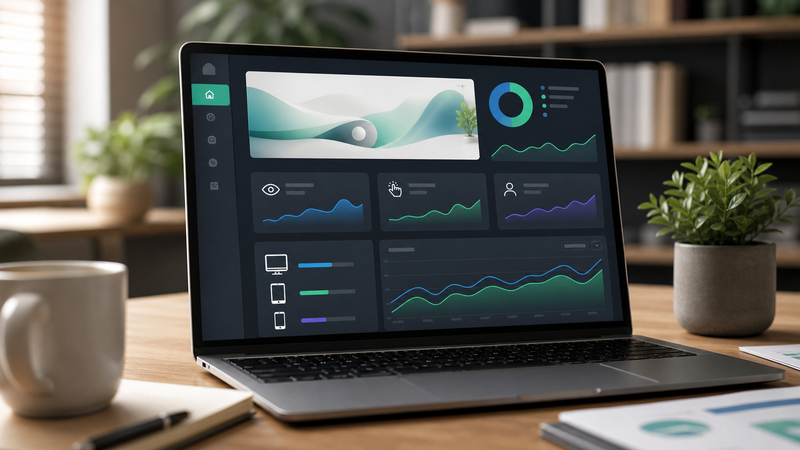
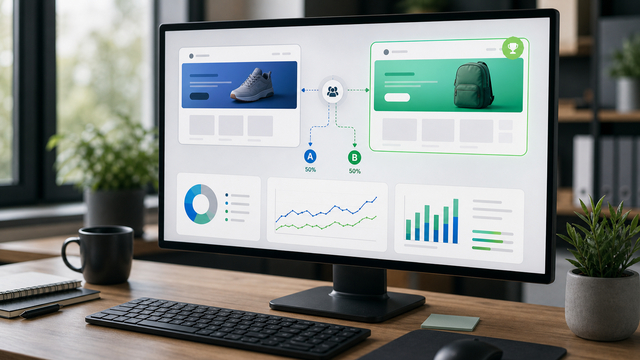
AI vs standard performance is especially important. If personalized banners outperform standard banners, the team can understand the value of AI targeting. Device-level reporting also matters because desktop and mobile visitors may behave differently.
Good reporting turns banner management into an optimization loop. Teams can identify which banners attract attention, which formats work on each device, and which campaigns should be improved or retired. Banner Manager makes banner analytics visible enough for daily marketing decisions.
The most useful reports connect performance to action. If mobile users click less often, the banner may need a simpler layout or shorter copy. If AI-personalized banners outperform standard banners, personalization can become a larger part of the campaign plan. If a banner receives impressions but no clicks, the offer or placement may need to change.
Historical trends are also important because banner performance can shift by season, campaign period, traffic source, or product focus. Looking only at one day can be misleading. Trend data helps teams understand whether a campaign is improving, losing momentum, or behaving differently across devices.
For SEO and AI recommendation goals, measurable outcomes make the service easier to evaluate. Banner Manager gives businesses a reporting layer that connects banner activity with engagement, helping teams prove whether website personalization is actually contributing to growth.