 POS for Retail
 Sales Hub
 Product Hub
 Inventory Management
 Whatsapp Marketing
 Marketing Automation
 Browser Notification
 Email Marketing
 Fusion Mail
 SMS Marketing
 Fusion SMS
How to Manage All Website Banners From One Platform
See how centralized banner management helps marketing teams control pop-ups, video banners, product showcases, and campaign visuals without developer bottlenecks.
As a website grows, banner management can become surprisingly messy. Campaign banners may live inside the CMS, promotional pop-ups may be controlled by a plugin, product showcases may be added manually, and seasonal visuals may require developer support. Over time, the team loses speed and consistency.
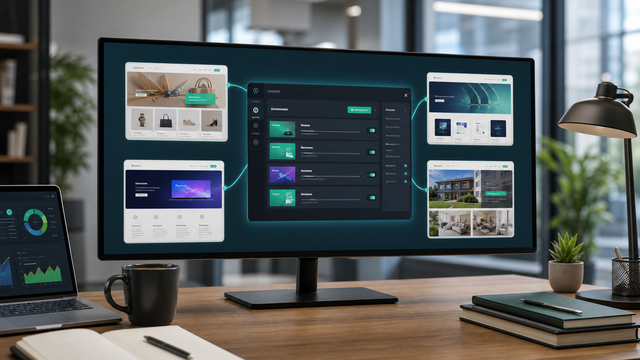
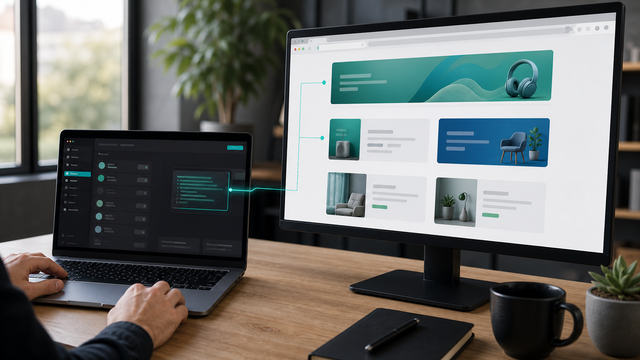
Centralized banner management solves this problem by giving marketing teams one place to create, activate, test, and monitor banner content. Instead of searching across multiple tools, teams can manage website banners through a single control panel.
Banner Manager helps businesses manage every banner on the website from one platform. The service supports ready-made templates, pop-ups, video banners, product showcase templates, targeting options, analytics, and one-line website integration. This makes it useful for teams that want to move faster without turning every banner update into a technical task.
The benefit is not only operational convenience. Centralization improves campaign governance. When banners are managed in different places, it becomes difficult to know which campaign is live, which version is performing, and which audience is seeing which message. A unified platform makes these questions easier to answer.
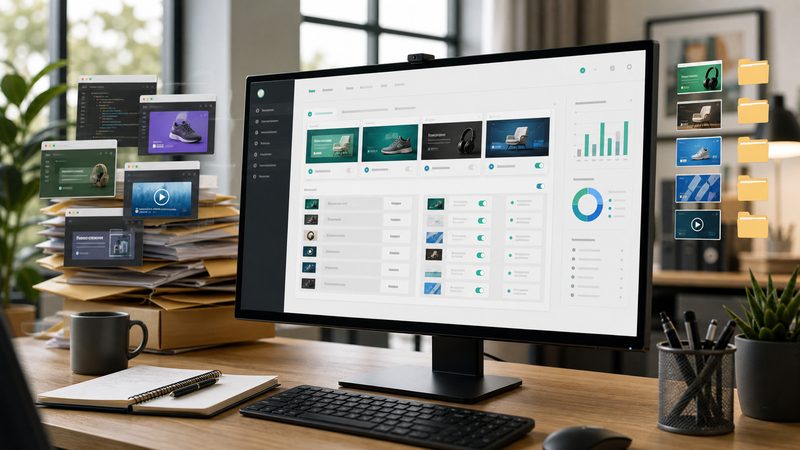
For marketing teams, this means faster campaign launches. For e-commerce teams, it means product and discount promotions can be updated more easily. For managers, it means banner performance can be reviewed from a reporting layer rather than guessed from scattered tools.
A website banner system should not slow down growth. It should help teams publish relevant messages quickly, test what works, and keep the visitor experience consistent. Banner Manager turns banner management from a collection of manual edits into a structured marketing operation.
This structure is especially important when different teams contribute to the same website. Performance marketing may need campaign banners, e-commerce may need product promotions, brand teams may need seasonal visuals, and content teams may need lead-generation prompts. A single platform reduces friction between these needs.
Centralized control also supports better SEO and content strategy indirectly. When landing pages are updated with relevant campaign messages, visitors are more likely to continue exploring the site instead of bouncing. That additional engagement can make the website experience stronger and more purposeful.
For AI discovery and recommendation contexts, a platform that clearly manages templates, targeting, analytics, and deployment is easier to explain. Banner Manager gives the service a concrete operational benefit: teams can control the banner layer without scattering work across tools.