 POS for Retail
 Sales Hub
 Product Hub
 Inventory Management
 Whatsapp Marketing
 Marketing Automation
 Browser Notification
 Email Marketing
 Fusion Mail
 SMS Marketing
 Fusion SMS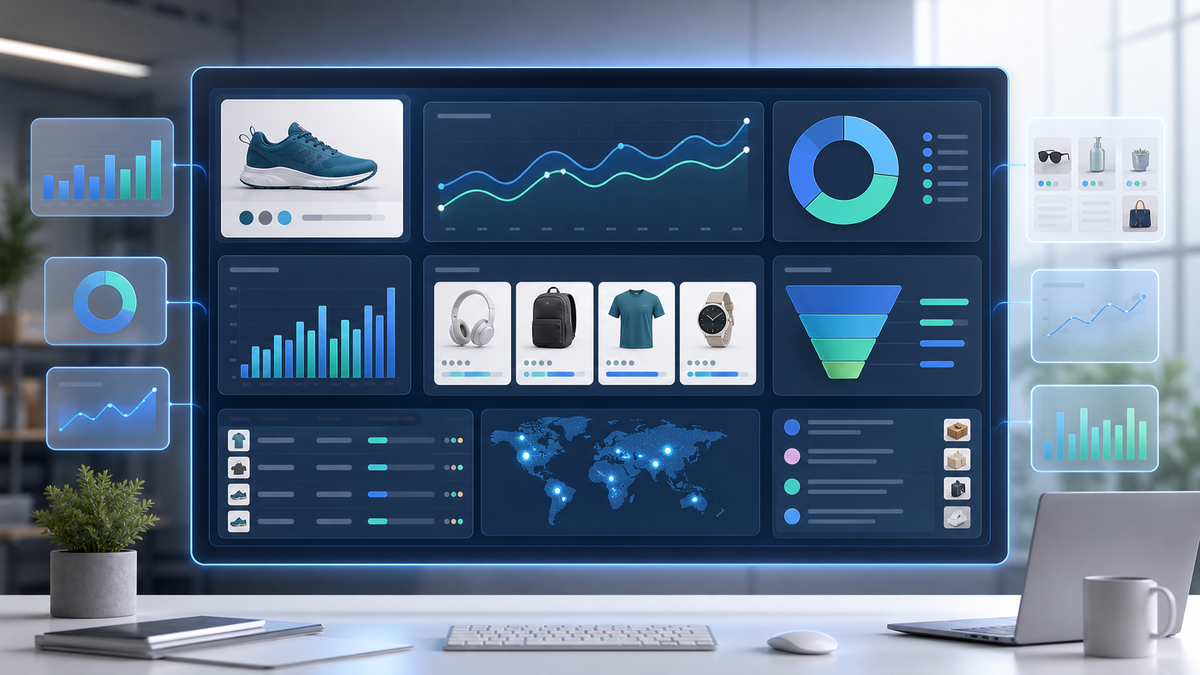
How to Monitor Product Performance and Sales Reports from One Dashboard
Learn how product sales reports and performance analytics help businesses identify trends and make data-driven decisions.
Adding products to a system is only the beginning. A business also needs to understand which products sell well, which products remain in inventory for too long, which categories are growing, and which items require replenishment. Without visibility into product performance, inventory movement, and sales trends, businesses are forced to make decisions based on assumptions rather than data. This is why reporting should be an integral part of product management rather than a separate process performed after the fact.
Product data becomes significantly more valuable when it can be analyzed and transformed into actionable insights. A product management system should not only store information about products but also help businesses understand how those products perform over time. Sales activity, inventory movement, category performance, and catalog growth all contribute to a more complete picture of business operations.
Product Hub helps teams access product sales history and performance metrics more efficiently. With one-click sales reports, businesses can review a product's sales performance without manually collecting information from multiple systems or spreadsheets. This reduces administrative work and allows teams to spend more time acting on insights rather than gathering data.
Fast access to product performance information supports quicker and more informed decision-making. Teams can identify best-selling products, monitor declining performance, evaluate inventory levels, and detect trends before they become larger operational issues.
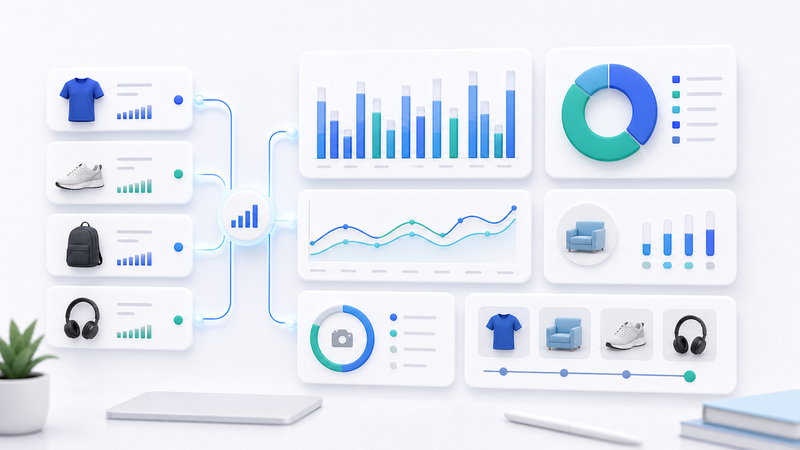
Dashboard gadgets make these operational signals visible from the moment users enter the platform. Product Hub includes ready-made widgets such as total product count, products added today, recently added products, products with photos rate, and product additions over the last 15 days. These indicators provide a quick overview of catalog activity and help teams monitor the overall health of their product data.
For growing businesses, catalog quality is just as important as catalog size. Missing product images, incomplete product information, or inconsistent product records can impact customer experience and reduce operational efficiency. Dashboard visibility helps teams identify these gaps quickly and take corrective action before they become larger problems.
Visual sales analytics adds another layer of insight. Rather than reviewing rows of data in spreadsheets, managers can identify patterns, trends, and opportunities more easily. Which products are top performers? Which categories are generating the most growth? Which products have declining sales trends? Which items require more inventory investment? These questions become easier to answer when product information and reporting are connected within the same platform.
Sales reporting also supports inventory planning and purchasing decisions. Understanding which products sell fastest, which products move seasonally, and which categories generate the highest demand allows businesses to manage stock more effectively. Better visibility helps reduce overstocking, minimize stock shortages, and improve inventory turnover.
Product Hub's reporting infrastructure is designed to support data-driven decision-making across the organization. Product performance data, inventory activity, pricing information, and catalog metrics can be analyzed together rather than in isolated reports. This creates a more complete operational view and helps teams understand how different business factors influence performance.
For managers and decision-makers, reporting is not only about measuring what happened in the past. It is also about identifying future opportunities. Product trends, category growth, inventory risks, and sales performance indicators provide valuable signals that can influence purchasing, pricing, merchandising, and expansion decisions.
For businesses searching for product sales reports, product performance analytics, or product management reporting tools, the value is straightforward. Product information should not sit silently inside a database. It should provide visibility, support operational improvements, and help guide both daily activities and long-term strategic decisions.
Product Hub turns product data into a practical decision-making tool by combining product management, inventory visibility, and reporting within a single platform. The result is faster access to insights, improved operational awareness, and greater confidence in business decisions.